Why Transaction Simulation and Smart-Contract Fluency Are the New UX for Serious DeFi Users
Whoa! Seriously? This used to be a niche worry. But now it's front-and-center. My instinct said we were due for a reckoning. On the surface, wallets were about keys and sending tokens; underneath, things got messy real fast.
Okay, so check this out—transaction simulation changed the game. It lets you run a dry-run of what a transaction will do before you sign. That sounds obvious. Yet most wallets still treat it like an optional add-on or a wizard's trick. Something felt off about that from day one.
Initially I thought simulation would just save gas and avoid failed txs, but then realized it's also a cognitive tool. It trains you to read calldata. It exposes reentrancy, replay risk, and token approvals in ways a balance sheet alone never will. Actually, wait—let me rephrase that: simulation is both technical insurance and a muscle for on-chain intuition.
Here's what bugs me about the status quo. Many DeFi users blindly paste contract addresses. They approve max allowances. They click "confirm" while juggling mobile notifications. I've been there too. I'm biased, but that part of the UX feels like trusting a stranger with your wallet at a bar. Not smart.
How simulation, portfolio tracking, and contract interaction tie together
Simulation informs trust. Portfolio tracking reveals exposure. Smart-contract interaction gives you control. Put them in the same workflow and you get fewer surprises. It's like having a flight simulator before takeoff. You get to see stall speed and crosswinds before liftoff—except this is money, and yeah, stakes are higher.
I use specialized tools that let me simulate a swap, then inspect the internal calls. Then I check my portfolio tracker to see if that swap shifts my impermanent loss risk into dangerous territory. If something looks off I open the contract in a read-only mode and call a couple view functions. This is deliberate. It's slow and it's cool in a nerdy way. I'm not 100% sure everyone will enjoy it, but serious traders do.
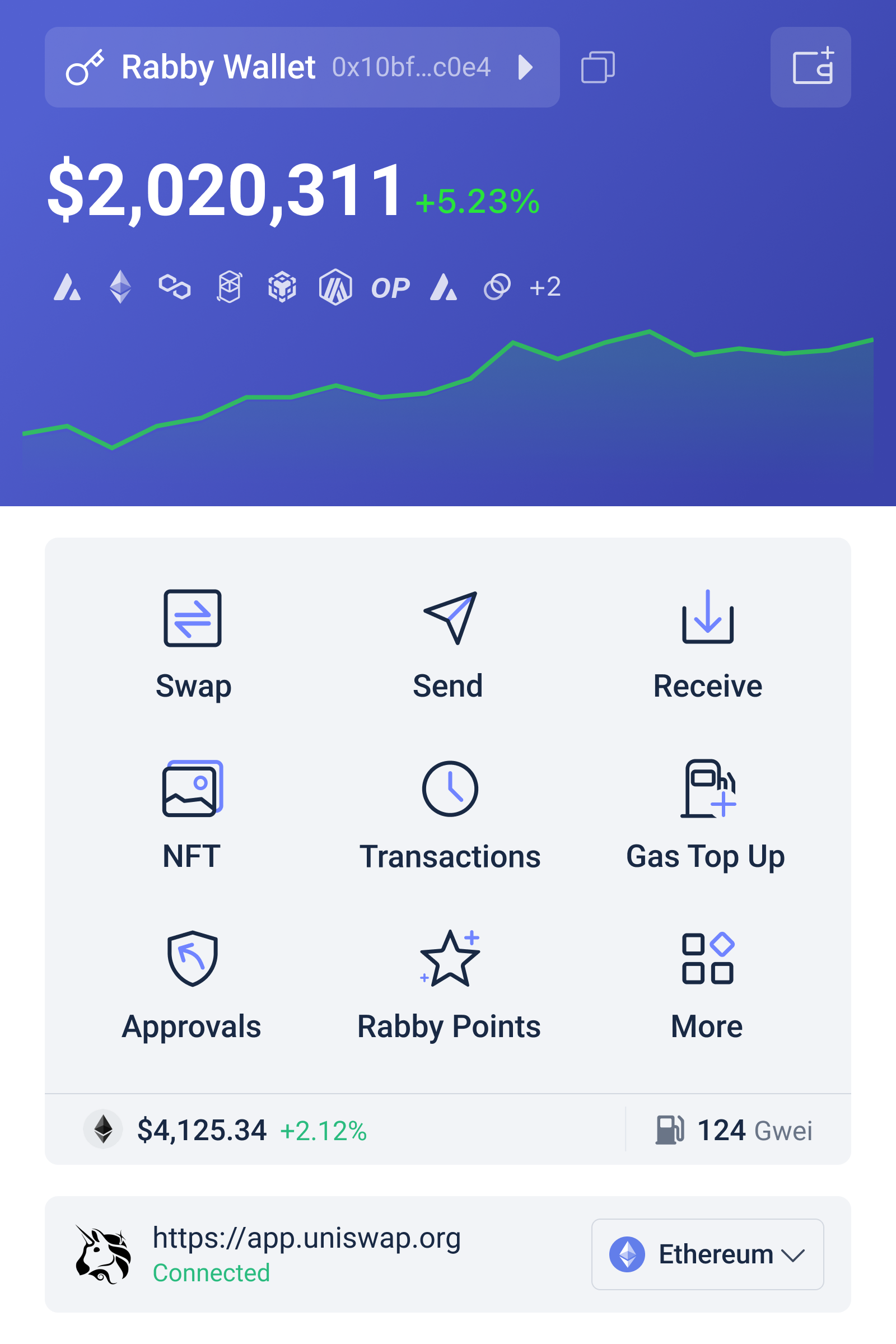
One wallet that does this well is rabby wallet—it surfaces simulations inline, breaks down approvals, and keeps a clear ledger of your assets across chains without making the UI feel like a tax spreadsheet. I'll be honest: that seamlessness matters. It reduces friction so you actually use the safety features instead of skipping them.
On one hand, simulations are not bulletproof. Though actually, you can get very close. The accuracy depends on RPC fidelity, flashbots bundlers, mempool state, and the exact block context. On the other hand, even imperfect simulation will catch common issues like failing require checks, insufficient allowance, or out-of-gas errors. So it's worth it; very very worth it.
Practically speaking, here's a simple sequence I follow before any meaningful interaction:
1) Dry-run the transaction against the latest block. 2) Inspect internal transactions and event logs. 3) Confirm token approvals are scoped. 4) Check portfolio delta and risk metrics. 5) Sign with a hardware-backed key or a wallet that isolates private keys. Repeat. Not sexy. But effective.
Hmm… I should add that the order matters. If you approve first and then simulate, you lose leverage to cancel. Also, simulation can expose reverts that on-chain calls hide—so you catch those early. If a simulation shows a revert only when gas is below a threshold, that alone can save you dozens or hundreds in wasted gas on retry attempts. Little wins add up.
Let's talk about smart-contract interactions in more depth. Many people think "interacting" means typing in a function and hitting send. But in DeFi, interaction is a conversation with code that remembers things. Functions may change allowances, update internal accounting, or create debt positions that persist across blocks. You need to treat each call as stateful.
When I teach folks to read a function signature, I start simple. See the inputs. Ask: does this write to storage? Does it emit events I care about? Does it call external contracts? If yes to any, then simulate. If it calls external contracts, simulate deeper. The chain is composable—so a single function might cascade 4 or 5 other protocols. That cascade is where subtle failures hide.
There are practical debugging tricks that I rely on. Use a staging RPC or a forked mainnet locally to replicate failures. Replay the exact nonce and gas. Use eth_call to run view functions. Use transaction tracing tools to step through internal opcode-level behavior. It sounds like a lot, I know—it's work—but that work prevents learning the hard way.
Something else—gas economics. Watch slippage and miner bribes. Sometimes simulation will show a successful path only if miner inclusion happens in the next few blocks. If your wallet can't re-simulate quickly, you're flying blind. This is why wallets that embed bundle submission via flashbots or show pending mempool risk are worth considering. Little UX touches like "this tx relies on miner tip X" are practical and helpful.
Okay, tangent: (oh, and by the way…) when you combine portfolio tracking with historical simulation you unlock pattern recognition. If your tracker shows repeated small losses from failed arbitrage attempts, that's a signal to change strategy. If you keep chasing yield on the same protocol and simulations show increased revert frequency, stop and audit. Humans repeat mistakes. Tools help break the loop.
One caveat: simulations can give false confidence. If your RPC provider is under-provisioned or using a lagging archive node, simulation outputs may be stale. Also, simulation can't predict MEV or front-running with 100% certainty unless you model mempool and bundle dynamics. So take outputs as probabilistic—use them as guidance not gospel. My gut says build habits, not dependencies.
All right, some tactical tips for power users:
– Scope approvals to the minimal amount. Don't set max unless you're comfortable managing approvals programmatically later.
– Use wallet-coded simulations before signing multisig or timelock transactions.
– Keep a read-only "watch-only" version of your portfolio for stress-testing hypothetical trades.
– Version control your interaction scripts (seriously). Treat them like code because they are code.
I'll leave you with a small mental model. Think of wallets as your cockpit. Transaction simulation is the instrument panel. Portfolio tracking is the weather radar. Smart-contract fluency is the pilot's checklist. Skip one and you increase risk. Integrate them and you fly safer, with fewer emergency landings.
FAQ
How accurate are transaction simulations?
They're quite accurate for logical errors like reverts and allowance issues, but they can miss dynamic things like MEV or sudden state changes in another contract between simulation and inclusion. Use them to reduce obvious failure modes. Also validate RPC configuration and re-run simulations if network conditions shift.
Can I rely on a wallet for advanced contract interactions?
Yes, if the wallet exposes simulation, calldata inspection, and read-only contract calls. For very sensitive operations add a hardware signer and a staging replay. But for routine DeFi work a wallet that combines those features will dramatically reduce mistakes and make your day-to-day safer.